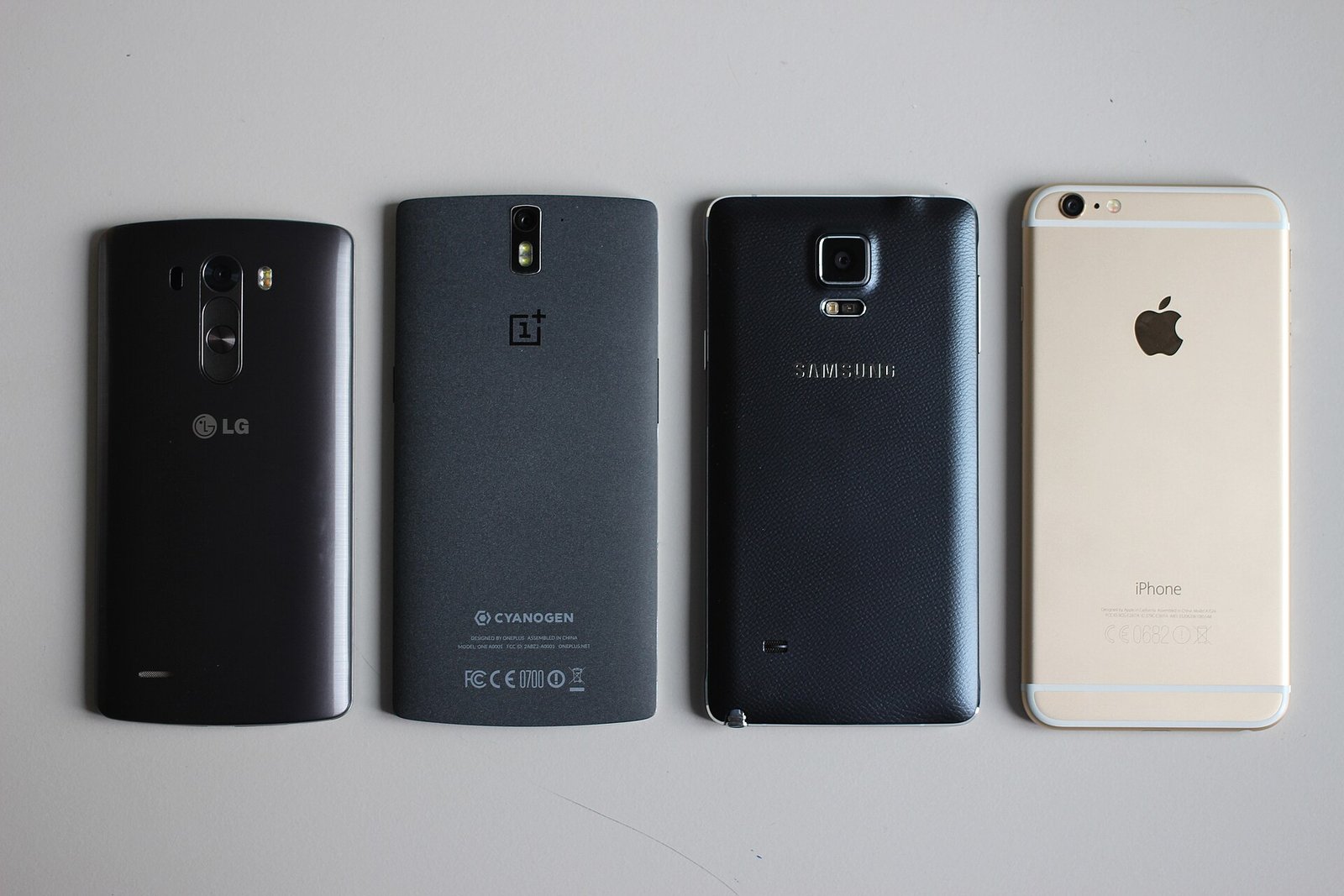
The iPhone-versus-Android question generates more heat than insight, mostly because people defend the choice they already made. The genuine differences are narrower than the arguments suggest, and the ones that matter most in daily use are rarely the ones being argued about.
What does differ, substantially, is how each platform behaves in a Nigerian context — cost of entry, repair availability, the second-hand market, and how well each works with the way people here actually use phones. Those considerations shift the answer meaningfully, and international comparisons never mention them.
Where iPhone genuinely leads
Software support length. Apple supports iPhones with iOS updates for a notably long time — commonly five or six years, sometimes more. Very few Android manufacturers match this, and in the budget segment almost none do. For a phone you intend to keep, or buy used, this is the single most consequential difference.
Resale value. iPhones hold value far better. This partly offsets the higher purchase price, and it matters in a market with an active second-hand trade.
Consistency. Every iPhone runs the same software the same way. No manufacturer layer, no duplicate applications, no variation in how settings are arranged.
Video recording. Still the clearest technical lead. If you shoot video seriously, iPhone remains ahead.
Privacy defaults. App tracking permission and clearer indication of data access. Android has narrowed this, but Apple’s defaults remain stricter.
The ecosystem, if you are in it. AirDrop, continuity between Mac and iPhone, Apple Watch. Genuinely convenient and genuinely locking.
Where Android genuinely leads
Price range. This is the decisive advantage in Nigeria. Android covers every price point from very cheap to flagship. Apple’s entry price is far above where most of the market buys.
Dual SIM. Widely available across the range and near-essential here given network coverage variation. Available on iPhone but in a more limited way depending on model and region.
Customisation. Launchers, widgets, default apps, deeper control over how the phone behaves.
File handling. A conventional file system that behaves the way people expect, and straightforward transfer to and from a computer without additional software.
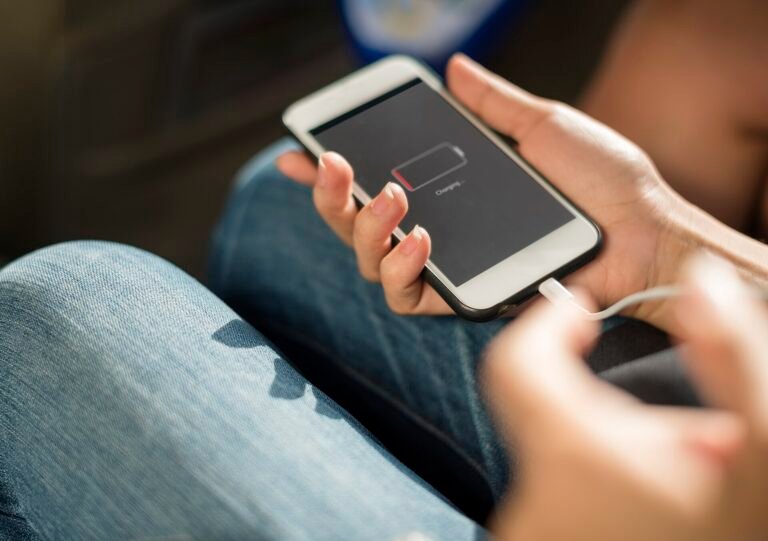
Charging speed. Several Android manufacturers charge considerably faster than iPhone, which matters when your charging window is set by power availability.
Local service and warranty. Samsung, Tecno, Infinix and others have Nigerian service presence. This is a practical advantage that reviews written elsewhere never weigh.
What does not actually differ much
Being honest, because these are what people argue about.
Camera quality at the top end. Flagship phones from Apple, Samsung and Google all take excellent photographs. They differ in processing style rather than capability. Anyone claiming a decisive win is describing a preference.
Performance. Both are far beyond what ordinary use requires.
Apps. Nearly everything significant exists on both.
Security. Both are secure when kept updated. The dominant risk on either platform is the user being socially engineered, not the operating system being broken.
The Nigerian considerations that actually decide it
Cost of entry. A capable Android phone costs a fraction of the cheapest current iPhone. For most buyers this settles the question before any feature comparison begins.
The used iPhone market is large and worth understanding. Buying a two or three-year-old iPhone frequently gives you more phone than a new mid-range Android at similar money, plus remaining years of iOS updates. The risks are battery health, iCloud lock, and stolen devices. Check Maximum Capacity, confirm the phone is signed out of the previous owner’s account, and verify the IMEI is not reported lost or stolen. An iCloud-locked iPhone is worthless and cannot be unlocked by any legitimate means.
Repair. Android repair, particularly for local brands, is cheaper and more widely available. iPhone repair exists but genuine parts are costlier and quality varies more among independent repairers.
Charging and power. Fast charging is a practical benefit where you charge opportunistically. Android generally leads here.
Data efficiency. Both platforms have settings to restrict background data, and both need configuring. Neither has a decisive advantage, but on either you should go through the settings deliberately rather than accept defaults.
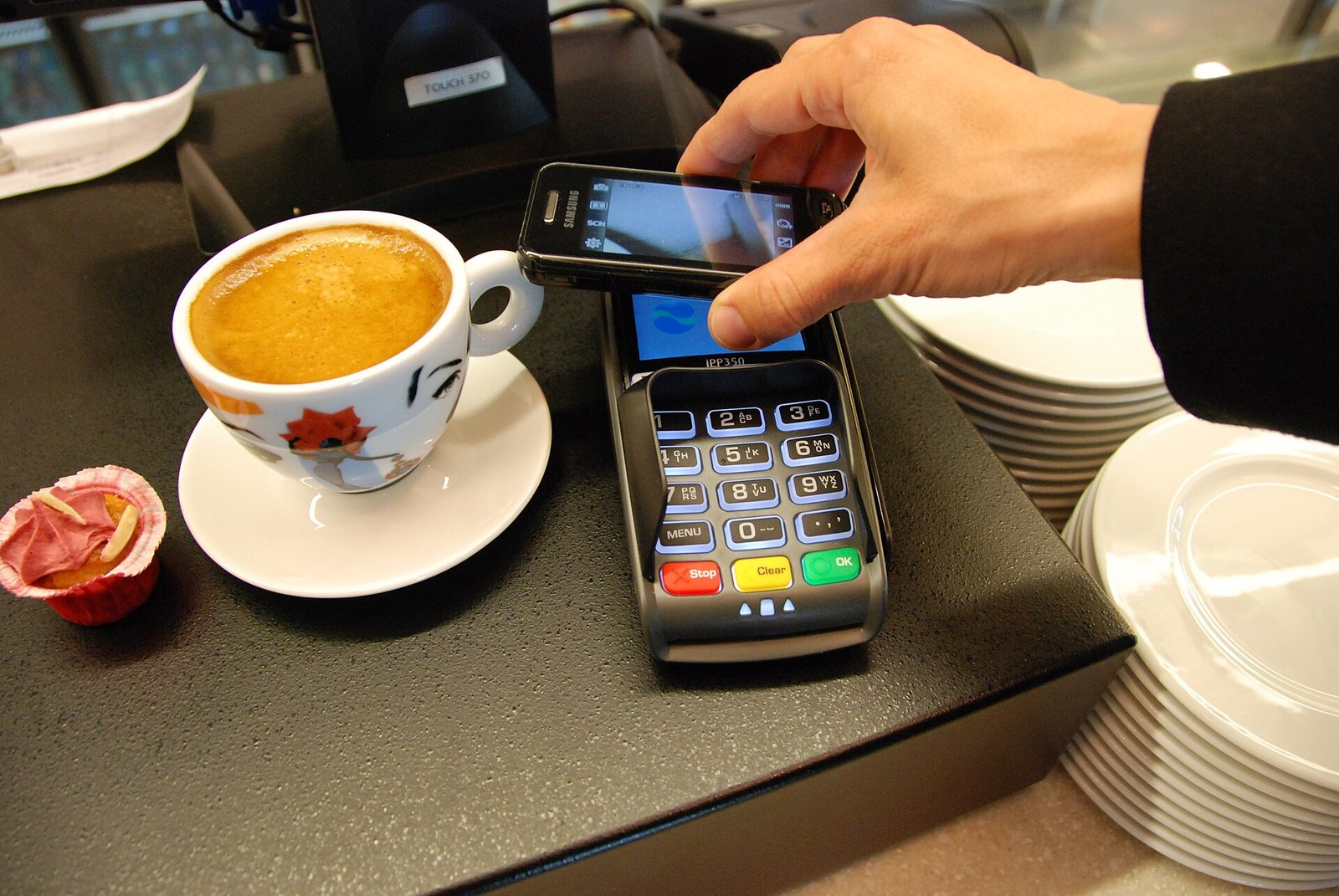
Payments. Whether phone-based tap-to-pay works with your Nigerian bank card depends on your bank and the scheme, and support has varied over time on both platforms. Check with your own bank rather than assuming either way.
How to actually decide
Ignore the arguments and answer these.
What is your budget? Below the iPhone entry price, the question is answered.
How long will you keep it? Five years or more favours iPhone strongly, because of update length and battery replaceability. Two years makes it much closer.
Are you already in one ecosystem? If you own a Mac, an iPad or an Apple Watch, switching costs you real convenience. If you live in Google’s services, Android integrates more naturally.
Do you need dual SIM? Check the specific iPhone model’s implementation carefully if so.
Who repairs your phone? If you rely on a local repairer, ask what they can service.
Are you buying used? This is where iPhone becomes competitive at mid-range money, provided you verify the device properly.
The short version
The platforms are closer than the argument suggests. Both take excellent photographs at the top end, both are fast enough, both are secure when updated, and nearly every app exists on both.
iPhone leads on update length, resale value, video and consistency. Android leads on price range, choice, dual SIM, charging speed and — importantly in Nigeria — local repair and service.
For most Nigerian buyers, budget decides it, and a well-chosen Android is the sensible answer. For anyone keeping a phone for many years, or buying carefully in the used market, an iPhone’s long support life makes it better value than the sticker price suggests.
Whichever you choose, the thing that will actually protect you is keeping it updated and not giving anyone your OTP. That matters more than the logo.
Sources and verification
We checked the practical guidance on this page against the primary or authoritative references below. Follow the linked source for the latest official position before making a payment or time-sensitive decision.
The Pixel 9a delivers most of the Pixel camera at a fraction of the flagship price. Here is what you give up, and whether the import risk is worth it in Nigeria.
Moving from iPhone to Android used to mean losing things. It no longer does, if you migrate in the right order. Here is the complete process, including what does not transfer.
Battery health is a number most iPhone owners misread. Here is what it actually means, when replacement is genuinely worth it, and what damages a battery fastest.
The iPhone X is old enough to be cheap and modern enough to be usable. Here is what still works, what has aged badly, and whether it is a sensible used buy in Nigeria.
Every device can record its screen without extra software. Here is how to do it on Windows, Mac, iPhone and Android, including how to get the audio right.