The Pro Max exists for people who want everything and will pay for it. The largest screen, the longest battery life, the best camera arrangement, and a price that in naira terms puts it among the most expensive consumer devices sold in the country.
That price makes the honest question narrower than “is it good”. It is obviously good. The question is what the premium over the smaller Pro, or over the previous generation, actually delivers — and whether the used market offers a better answer.
What the money buys
Battery life. This is the clearest and most consistent advantage of the Max, and the one that matters most in daily use. The larger body allows a larger battery, and the result is the longest-lasting iPhone by a comfortable margin. For anyone who charges opportunistically rather than on a schedule — which describes a lot of people here — this is a genuine, felt benefit rather than a specification.
The camera system. The main sensor is excellent, and the arrangement is versatile: usable ultra-wide, and optical zoom that produces genuinely good results rather than the smeared approximation of digital zoom.
Video. This remains the clearest technical lead the iPhone has over anything else. If you shoot video seriously — content, events, commercial work — no Android phone matches the combination of quality, stabilisation and consistency.
The display. Large, extremely bright, and readable in direct sunlight. Adaptive refresh keeps it smooth while dropping low on static content to save power.
Build quality. Titanium frame, strong glass, well assembled. It feels like what it costs.
Software support. Long — commonly five or six years of iOS updates. On a phone at this price, this is a substantial part of the value, and it is what makes the eventual resale price hold up.
What it does not fix
Size and weight. It is a large, heavy phone. Some people love it and some find it genuinely unpleasant to use one-handed or to carry. This is the thing to try in person rather than accept from a review.
Charging speed. Adequate rather than class-leading. Several Android competitors charge considerably faster, and in a context where charging windows are dictated by power availability, that gap is more meaningful than it appears on paper.
Incremental improvement. Coming from the previous generation Pro Max, the differences are modest. This is a phone to buy from something several generations old.
Price. Worth stating plainly. In naira, this is an enormous amount of money for a phone, and the gap between it and an excellent Android flagship buys a great deal.
The camera, more precisely
Being specific rather than enthusiastic.
Stills in good light: excellent, with natural colour and reliable exposure. Comparable to the best Android flagships rather than decisively better.
Low light: very good, and the difference from mid-range phones is stark.
Zoom: the strongest argument for the Pro over the standard model. Genuine optical reach rather than cropping.
Video: the decisive lead. Stabilisation, dynamic range and consistency across the range of lenses are better than anything else available.
Skin tones: generally well handled, though rendering across darker complexions has historically been an area where Google’s processing has been strong. Worth comparing sample images yourself if this matters to you.
The Nigerian context
The price gap to Android is very large. An excellent Samsung or Chinese flagship costs meaningfully less and gives up little for most users outside video work and long-term support.
Used is a serious option. A previous-generation Pro or Pro Max costs substantially less, retains years of iOS support, and gives up very little in daily use. For most buyers this is the more rational purchase. Check battery health, confirm iCloud sign-out, verify the IMEI is clean and not carrier-locked, and test before paying.
Repair. iPhone repair is available but genuine parts are expensive and independent repair quality varies. A screen or battery replacement on this model is a significant cost. Factor it.
Verify the unit. Grey imports are common at this price. Confirm the IMEI, confirm the model supports Nigerian network bands, and establish in writing what warranty exists and where it is honoured.
Resale. iPhones hold value better than anything else, which partly offsets the purchase price if you sell on. This is a real financial consideration rather than a talking point.
Who should buy it
Buy it if you shoot video professionally or seriously, you want the longest battery life in an iPhone, you use optical zoom regularly, and you intend to keep the phone for several years — in which case the long support life genuinely amortises the cost.
Do not buy it if you find large phones uncomfortable, you are upgrading from last year’s model, or the price is a stretch. In the latter case a used previous-generation Pro is the better purchase by a wide margin, and nobody will be able to tell.
Living with it
Specifications describe a phone; they do not describe owning one. A few things that only emerge after weeks of use.
The weight is the thing you adapt to or do not. In the first week it feels substantial and reassuring. By the second, either you have stopped noticing or you have started resenting it in your pocket. There is no third outcome, and no review can predict which you will be. Hold one in a shop for five minutes before committing.
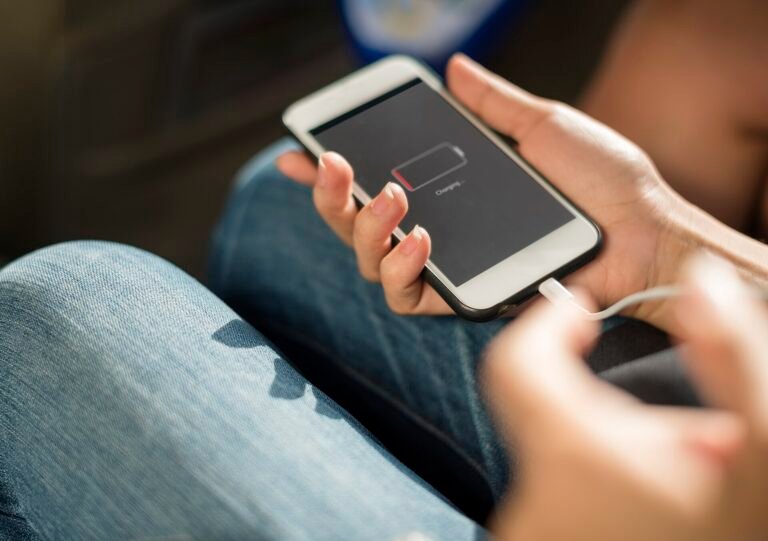
Battery anxiety disappears. This is the most underrated benefit. Because the phone genuinely lasts, you stop planning around charging. For anyone whose day is not built around reliable access to a socket, the psychological difference is larger than the hours suggest.
The cameras get used more than you expect. Not because they are better in a way you can articulate, but because the results are reliable enough that you stop hesitating. A camera you trust is a camera you use.
One-handed use is genuinely limited. Reaching the top of the screen requires either a second hand or the reachability gesture. If you frequently use your phone while carrying something, this matters daily.
Case selection is not optional. At this price, and with glass on both faces, a case and screen protector are part of the purchase rather than an accessory. Budget for them.
Specifications that matter, and what they mean in practice
Specification
What it actually affects
Large OLED display
Sunlight readability, which is the practical benefit here
Adaptive refresh rate
Smoothness while scrolling, and battery when static
Large battery capacity
The single biggest daily advantage over the smaller Pro
Main, ultra-wide and telephoto cameras
Range without quality collapse; zoom is the real differentiator
Titanium frame
Durability and a modest weight reduction over steel
USB-C
Finally one cable for everything, and faster transfer than Lightning
Long iOS support
The reason resale value holds, and why the cost amortises
How it compares to the alternatives
Against the iPhone 16 Pro: identical apart from size and battery. If you can hold the smaller one comfortably, buy it and save the money. The Max exists for people who want maximum battery life and are content with the size.
Against the standard iPhone 16: you gain optical zoom, the smoother display, professional video features and battery life. If you will not use zoom or shoot serious video, the standard model delivers the same everyday experience for substantially less.
Against a previous-generation Pro Max: very little difference in daily use, and a large difference in price. For most buyers this is the more rational purchase.
Against a Samsung flagship: the iPhone leads on video and update length; Samsung leads on charging speed, S Pen availability and — importantly here — local warranty and service. Camera quality is close enough to be a matter of preference.
The short version
The iPhone 16 Pro Max is the most complete phone Apple makes. Battery life is its most useful advantage, video its most decisive one, and the long software support commitment is what justifies the price over a five-year horizon.
It is also very large, charges more slowly than its Android rivals, and costs an enormous amount in naira.
For most Nigerian buyers who want an iPhone, a carefully verified previous-generation Pro is the smarter purchase — same experience, years of support remaining, far less money. Check the iCloud status and the IMEI before you pay, whichever you buy.
Sources and verification
We checked the practical guidance on this page against the primary or authoritative references below. Follow the linked source for the latest official position before making a payment or time-sensitive decision.
The iPhone 16 Pro is the Pro Max experience in a size you can actually hold. Here is what the smaller body costs you, and why it is the better Pro for most people.
The iPhone X is old enough to be cheap and modern enough to be usable. Here is what still works, what has aged badly, and whether it is a sensible used buy in Nigeria.
Battery health is a number most iPhone owners misread. Here is what it actually means, when replacement is genuinely worth it, and what damages a battery fastest.
The standard iPhone 16 gets most of what makes the Pro good, at a considerably lower price. Here is what you actually give up, and why it is the sensible choice for most people.
iPhone or Android is usually decided by habit rather than by comparison. Here is an honest look at where each genuinely leads, and what actually matters in Nigeria.
iOS hides a lot of genuinely useful settings behind menus nobody opens. Here are the ones worth changing, including several that save data and battery.