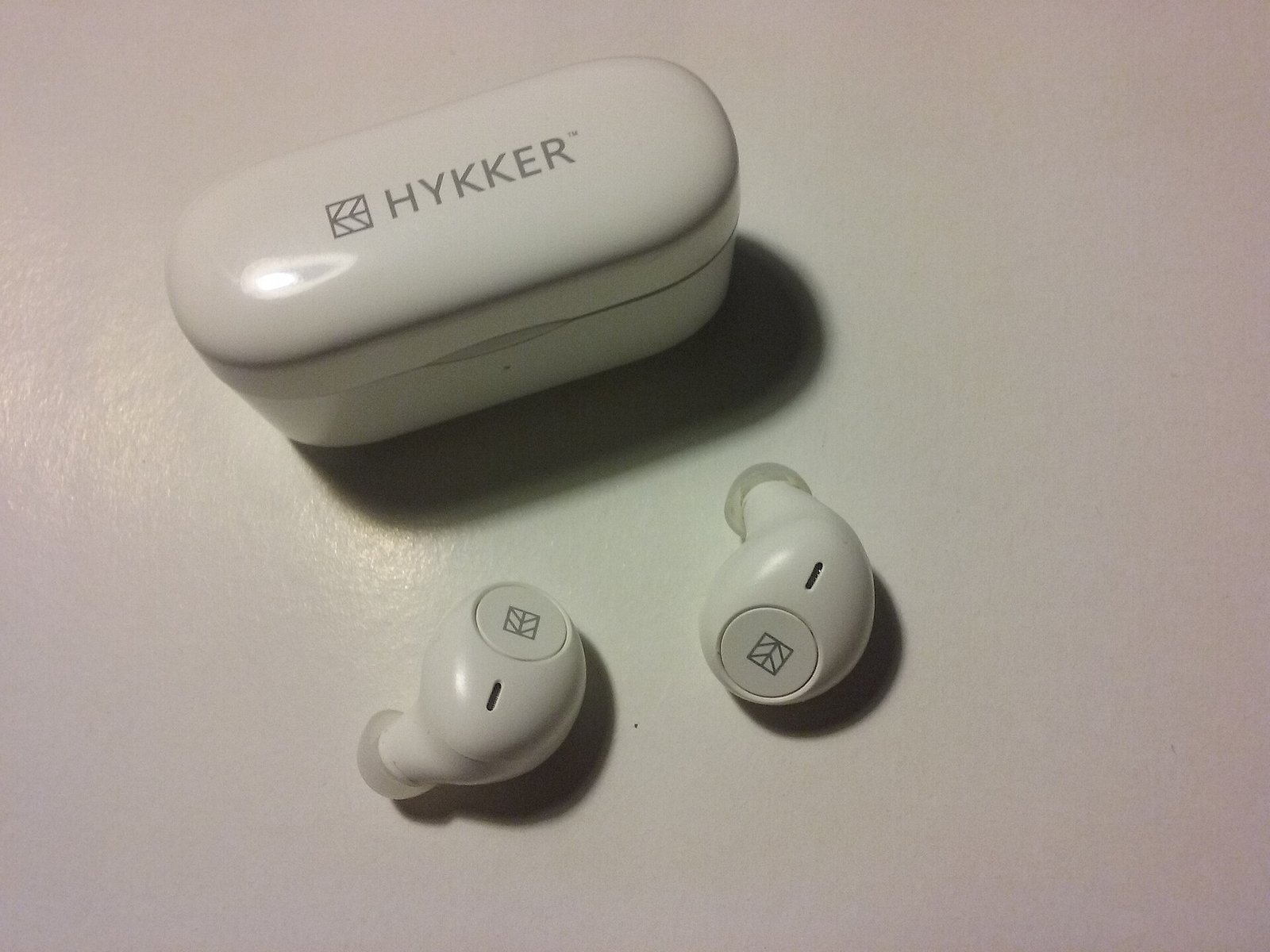
Wireless earbuds are now a default purchase rather than a luxury, and the market has become genuinely difficult to navigate. Hundreds of models, specifications that are hard to verify, and — the particular problem here — an enormous quantity of convincing counterfeits of popular models.
Buying well is less about identifying the single best model, which changes constantly, and more about knowing which specifications matter, what to ignore, and how to avoid paying for a fake.
What actually matters
Battery life, and how it is quoted
Two figures are advertised: time in the earbuds, and total time including the charging case.
The first is the one that affects you. Marketing frequently leads with the combined figure, which is larger and less useful.
Real-world life comes in below the claim, particularly with noise cancellation active and at higher volume. Expect meaningfully less than advertised.
Fast charging matters — the ability to get an hour or two of use from a ten-minute charge is genuinely useful when you are leaving in a hurry, and doubly so where charging opportunities depend on power availability.
Fit
The most under-weighted factor, and it determines both comfort and sound.
Earbuds that do not seal properly sound thin, lose bass entirely, and let in outside noise no matter how good the drivers are. A poorly fitting expensive pair sounds worse than a well-fitting cheap pair.
Most come with several ear tip sizes. Use them. Try each and choose the one that seals without pressure. This single step improves sound more than any specification.
For exercise, fit determines whether they stay in at all.
Noise cancellation, honestly
Active noise cancellation works best against constant low-frequency sound — generators, engines, fans, air conditioning. It is less effective against speech and sudden noises.
In a Nigerian context this is genuinely useful, because generator noise is exactly what ANC handles well.
Quality varies enormously and correlates with price. Cheap earbuds advertising ANC frequently deliver very little. Transparency mode, which lets outside sound through deliberately, is arguably more useful day to day for staying aware of your surroundings.
Microphone quality
If you take calls, this matters more than sound quality, and it is where cheap earbuds fail most obviously.
Specifications will not tell you. Look for a review with a recorded call sample, particularly one recorded outdoors or in wind.
Codec support
Determines audio quality on your specific phone. AAC works well on iPhone; aptX and LDAC are common on Android. The earbuds and the phone must both support a codec for it to apply.
Worth checking if audio quality matters to you, and safe to ignore if you mainly take calls and listen to podcasts.
Water resistance
An IP rating matters for exercise and for rain. IPX4 handles sweat and light rain. Higher ratings handle more.
Multipoint
Connecting to two devices at once — a phone and a laptop — and switching automatically. Genuinely useful and not universal.
What matters less
Driver size. Larger does not mean better.
Frequency response figures. Effectively meaningless as published.
Total case battery, as above.
Brand prestige at the budget end, where the same factories produce for many labels.
The counterfeit problem
This deserves proper attention, because it is the most likely way to waste money here.
Popular models — particularly the well-known premium brands — are counterfeited extensively and convincingly. Packaging, serial numbers and even the app pairing animation are copied. Photographs online are frequently of the genuine item.
How to protect yourself:
Buy from a seller you can return to. A physical shop with a reputation, or a marketplace seller with a substantial verified history and a returns policy.
Be extremely sceptical of price. If a model normally sells for a certain amount and someone offers it far below, that is the tell. Genuine stock does not sell at half price.
Check the companion app. Genuine products from major brands pair with an official app that reports firmware and battery per bud. Fakes typically fail here or produce errors.
Verify the serial number with the manufacturer where that is possible.
Inspect the build. Uneven seams, rough plastic, poorly printed text and lights that are the wrong colour are all indicators.
Test before paying where possible. Pair them, play music, take a call, check both buds work independently.
Prefer buying a genuine mid-range pair over a fake premium pair. A real product from a reputable mid-tier brand will outperform a counterfeit of an expensive one, and it will still work in six months.
Practical buying advice by use
Calls and meetings: prioritise microphone quality and multipoint.
Commuting and noisy environments: prioritise noise cancellation and battery life.
Exercise: prioritise fit, water resistance and secure design.
Music listening: prioritise fit and codec support.
Budget purchase: buy a genuine product from a reputable mid-tier brand rather than a counterfeit premium one. This is the most important single piece of advice here.
Getting the most from what you buy
Try every ear tip size. It matters more than anything else.
Update the firmware through the companion app. People rarely do, and updates fix real problems.
Keep the charging contacts clean. Dust and lint on the case contacts cause one bud to stop charging, which then appears as a fault.
If one bud cuts out, move your phone to the same side of your body. Your body blocks the signal, and this resolves most dropouts.
Do not leave them in a hot car. Heat damages the small batteries permanently.
Price tiers, and what each actually buys
Rather than naming models that change every few months, here is what your money genuinely gets at each level.
Entry level. Basic sound, plastic build, short battery life, poor microphones, ANC either absent or ineffective. Adequate for podcasts and calls in quiet places. This is also where counterfeits of expensive models cluster, so a genuine budget pair from a real brand is a far better purchase than a fake premium one.
Mid range. This is the sweet spot for most people. Decent sound, usable noise cancellation, acceptable call quality, reasonable battery, water resistance, and a companion app that works. The improvement from entry level is large; the improvement to premium is much smaller.
Premium. Better noise cancellation, noticeably better microphones, longer battery, better build, multipoint, and more reliable connection. Real improvements, with diminishing returns.
The honest guidance: for most buyers, a genuine mid-range pair from a reputable brand is the correct purchase. The gap between mid and premium is smaller than the price difference suggests, and far smaller than the gap between genuine and counterfeit.
Open, closed and bone conduction
In-ear with silicone tips seal the ear canal. Best isolation, best bass, best for noise cancellation. Some people find them uncomfortable for long periods.
Open or half-in-ear rest in the ear without sealing. More comfortable for long wear and safer for awareness on a road, at the cost of bass and isolation. Noise cancellation barely works on these.
Bone conduction transmits through the skull, leaving ears completely open. Useful for cycling and running in traffic. Sound quality is limited and they are a specialist choice.
The safety point deserves mention: in Nigerian road conditions, being unable to hear traffic is a genuine risk. For walking or cycling near roads, transparency mode or an open design is the sensible choice.
Care that extends their life
Clean the tips regularly. Earwax buildup muffles sound and people replace earbuds that only needed cleaning.
Keep the case contacts clean. Lint and dust here is the most common cause of one bud not charging.
Do not store them anywhere hot. Small batteries degrade quickly in heat.
Charge the case periodically even when unused. Batteries left fully flat for months degrade.
Use the app to check battery health where the manufacturer provides it.
The short version
Fit determines sound quality more than any specification, so try every ear tip. Battery life in the buds is the figure that matters, not the case total. Microphone quality decides whether they are useful for calls and is never in the specifications.
Noise cancellation is genuinely useful against generator noise, and cheap implementations deliver very little.
Above all, the counterfeit risk is the dominant consideration in this market. Buy from a seller you can return to, treat an unusually low price as a warning rather than a bargain, and choose a genuine mid-range pair over a fake premium one every time.
Sources and verification
We checked the practical guidance on this page against the primary or authoritative references below. Follow the linked source for the latest official position before making a payment or time-sensitive decision.
External drives are where counterfeits and fake capacities are most common. Here is how to choose one, how to test it, and why an untested drive is not a backup.
Bluetooth is in every phone, earbud and speaker, and it drops at the worst moments. Here is how it actually works, what the version numbers mean, and how to fix the common failures.