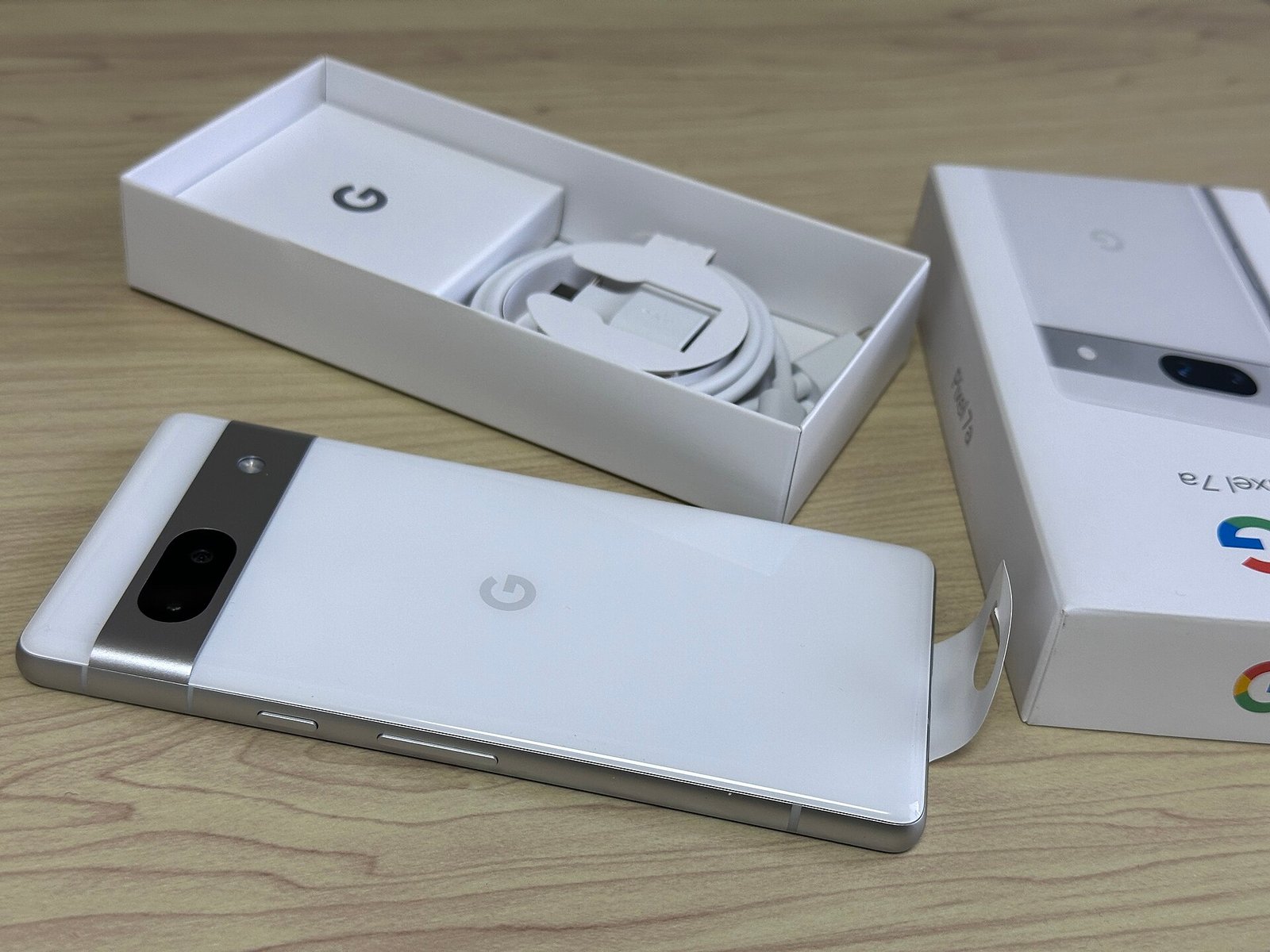
The a-series has always been the most sensible Pixel. It takes the part of the phone that people actually buy Pixels for — the camera processing — and puts it in a body without the expensive parts most buyers do not need.
The result is usually the best value proposition in Google’s range, and frequently one of the better value propositions in Android generally. The complication in Nigeria is the same one that affects every Pixel: Google does not sell here, so everything depends on the specific unit and the specific seller.
What you keep from the expensive model
The camera processing. This is the important part. The computational photography that makes Pixels good is software, and it is largely the same. Point-and-shoot reliability, excellent handling of mixed lighting, strong low-light performance and good skin tone rendering across complexions all carry over.
The photo editing tools — object removal, face fixing, after-the-fact adjustment — are present and are among the most genuinely useful features on any phone.
Clean software with no manufacturer layer and no duplicate apps.
Long update support. Google’s commitment on the a-series has become genuinely long, which for a phone at this price is unusual and valuable. A mid-range phone receiving security patches for years is a considerably better proposition than a cheaper one abandoned after eighteen months.
Day-to-day speed. For messaging, browsing, social media, video and photography, it does not feel meaningfully slower than the expensive model.
What you give up
Zoom. The a-series lacks the dedicated telephoto camera. Digital zoom degrades quickly. If you photograph things at a distance, this is the most significant omission.
Peak performance. Fine for everything ordinary, noticeably behind for demanding games.
Screen quality. Good rather than exceptional. Check brightness in person if you spend time outdoors, since sunlight readability is where cheaper panels usually give ground.
Build materials. Plastic rather than metal and glass in places. Practically this is close to irrelevant, and arguably more durable.
Charging speed. Modest.
Some software features are reserved for the Pro models, and the specific list changes between generations. Check rather than assume if a particular feature is why you are buying.
Battery
Generally the a-series does well here, with the efficiency of the chip and a sensible capacity producing comfortable all-day life. This is one of the areas where it does not feel like the cheaper option.
The Nigerian buying reality
The same import considerations apply as to any Pixel, and they matter proportionally more on a cheaper phone where the cost of a failed unit is a larger share of what you paid.
No official warranty. Whatever the seller offers is what you have. Get it in writing.
Limited service and parts. Independent repairers only, with imported parts.
Check the band support for the specific variant against Nigerian networks before paying. This is the single most common way an imported phone disappoints.
Verify the IMEI — not carrier-locked, not reported lost or stolen. This is non-negotiable and takes two minutes.
Beware pricing that seems too good. In the mid-range segment, unusually cheap imported units are frequently locked, stolen or damaged.
How it compares in the Nigerian mid-range
Against Samsung’s A-series at a similar price: the Pixel takes considerably better photographs. Samsung gives you a local warranty, an accessible service network, and a device bought from an authorised dealer. That is a real trade-off rather than an obvious win either way.
Against Tecno and Infinix at this price: the Pixel is better on camera, software cleanliness and update length. The local brands are better on price, on local service, and frequently on battery capacity and charging speed.
Against a used flagship: a two-year-old flagship may match or beat it on camera and exceed it on screen and performance, but with less remaining update life and unknown battery health.
There is no single right answer. The Pixel 9a wins clearly if photographs are your priority and you can verify the unit. It loses if service and warranty are what you value.
Who should buy it
Buy it if you want the best camera available at this price, you value clean software and long update support, and you are buying from a seller who can demonstrate a clean IMEI and correct band support.
Do not buy it if you need a local warranty and walk-in service, you play demanding games, you rely on zoom, or you cannot verify the unit properly before paying.
Living with it
It does not feel like a compromise in ordinary use. Messaging, browsing, social media, photography, video — none of it is meaningfully slower than the expensive model.
The camera keeps surprising people. The gap between what the specifications suggest and what the photographs look like is the whole point of the a-series.
Battery is one of its quiet strengths, generally comfortable through a full day.
It runs cooler than the Pro models, because the chip is not being pushed as hard.
Where you feel the price is in sustained gaming, in zoom, and occasionally in screen brightness outdoors.
Specifications and what they mean
Specification
Practical effect
Google processor
Fine for everything ordinary; limited for heavy gaming
Main and ultra-wide cameras
Excellent stills; no optical zoom
OLED display
Good, though check brightness in sunlight
Battery capacity
Comfortable all-day life
Plastic-composite build
Practically fine, arguably more drop-resistant
Long update commitment
Unusual at this price and a large part of the value
Why the a-series is usually the smarter Pixel
The expensive Pixel adds a telephoto camera, more performance headroom, a better screen and premium materials.
Of those, only the telephoto changes what photographs you can take. The rest improve an experience that was already good.
For a buyer choosing on camera quality — which is why people buy Pixels — the a-series delivers the great majority of the result for a fraction of the price. Unless you photograph at distance regularly, the money saved is better kept or spent on a case, a screen protector and a spare charger.
The short version
The Pixel 9a keeps the thing that makes a Pixel worth buying — the camera processing — and drops the parts most people do not need. Long update support at this price is genuinely unusual and is a large part of the value.
You give up zoom, peak gaming performance and some screen quality, none of which most buyers will miss.
The real question in Nigeria is not the phone but the purchase. No official warranty, no service network, and imported units of variable provenance. Verify the IMEI, confirm the network bands, get whatever warranty exists in writing, and test it before paying.
Do that and it is one of the best cameras you can buy at the price. Skip it and you are gambling on a phone nobody local will repair.
Sources and verification
We checked the practical guidance on this page against the primary or authoritative references below. Follow the linked source for the latest official position before making a payment or time-sensitive decision.
The Nigerian mid-range phone market is dominated by brands most international reviews ignore. Here is how to choose well, what to prioritise, and what to avoid.
iPhone or Android is usually decided by habit rather than by comparison. Here is an honest look at where each genuinely leads, and what actually matters in Nigeria.
Android 16 added a lot, and most of it you will never notice. Here are the changes that genuinely affect daily use, ranked by how much difference they make.
The Galaxy Z Fold 6 is the most refined big-screen foldable available. Here is what it genuinely does that a normal phone cannot, and the durability questions worth asking.
Moving from iPhone to Android used to mean losing things. It no longer does, if you migrate in the right order. Here is the complete process, including what does not transfer.