iPhone 16 Pro Review: The Right Size, the Right Camera, the Right Price
Apple sells two Pro iPhones that differ in exactly one meaningful way: size. Same processor, same cameras, same software, same materials, same support life. The Pro is the smaller one, the Pro Max is the larger one, and the larger one has a bigger battery.
That makes this an unusually simple decision, and one that gets overcomplicated. The question is not which is better — they are the same phone — but whether you want a phone you can comfortably use in one hand, or the longest battery life available.
The case for the smaller one
You can actually hold it. This is the entire argument and it is a good one. The Pro is usable one-handed, fits in a normal pocket without announcing itself, and does not require a two-handed grip for ordinary tasks.
A great many people buy the Max because it seems like more phone for the money, then spend two years slightly annoyed by it. If you have ever found a large phone awkward, the smaller Pro is the one to buy.
It is lighter, noticeably, which matters over a day.
It costs less while giving up almost nothing but battery.
Everything else is identical. The camera system, the processor, the display technology, the build materials, the software support period. You are not buying a lesser phone; you are buying the same phone in a smaller shell.
What the smaller body costs you
Battery life. This is the real trade and the only one that matters.
The Pro comfortably lasts a normal day. The Pro Max lasts noticeably longer, and for heavy users or long days away from a charger, that difference is felt.
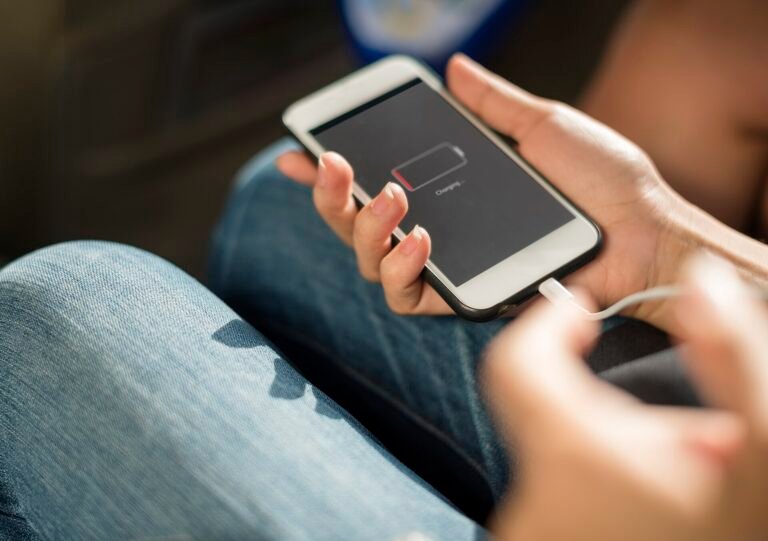
In a Nigerian context this deserves more weight than it usually gets. Where charging depends on power availability rather than on being near a socket, the phone that lasts longer between charges has a practical advantage that is easy to underestimate at the point of purchase.
If you are regularly away from reliable power for long stretches, the Max earns its size. If you charge overnight and are near power during the day, the Pro is comfortably sufficient.
Marginally smaller screen, which is a preference rather than a compromise.
What both Pro models give you over the standard iPhone
Since this is the other comparison people are making:
Optical zoom — the dedicated telephoto camera. The clearest practical difference.
The high refresh rate display, smoother in scrolling and gaming.
Professional video capability — higher frame rates and recording formats aimed at people who edit footage properly.
Always-on display.
More processing headroom, which shows in demanding games.
If none of those describe your use, the standard iPhone 16 delivers the same everyday experience for meaningfully less money, and the sensible move is to put the difference into a larger storage tier.
The camera
Excellent, and the same as the Max.
Stills are very good in all conditions, with reliable exposure and natural colour. Low light is strong. Zoom is the genuine advantage over the standard model — real optical reach rather than cropping.
Video remains the clearest lead the iPhone holds over any Android phone. Stabilisation, dynamic range and consistency between lenses are better than the alternatives. If video is a significant part of what you do, this is the strongest single argument for buying an iPhone at all.
The Nigerian context
Price. Very high in naira. The gap to a capable Android flagship is substantial and buys a great deal.
Used is the value option. A previous-generation Pro costs considerably less, keeps years of iOS support, and is nearly indistinguishable in daily use. For most buyers wanting a Pro experience, this is the rational choice.
If buying used: confirm the phone is signed out of the previous owner’s Apple account, check the IMEI is clean and not carrier-locked, check Battery Health, and test everything before paying. An iCloud-locked iPhone cannot be recovered by any legitimate means.
Verify new units too. Grey imports are common. Confirm band support for Nigerian networks and establish what warranty applies and where.
Repair is expensive. A case and screen protector are sensible rather than optional, given replacement costs.
Resale value is the best in the market, which meaningfully offsets the purchase price if you sell on rather than keeping the phone indefinitely.
Choosing between the three
Simplified:
Standard iPhone 16 — if you photograph at normal distances and do not shoot serious video. Most people. Spend the saving on storage.
iPhone 16 Pro — if you want zoom, the smoother screen or professional video, and you prefer a phone you can hold in one hand.
iPhone 16 Pro Max — if you want all of that and the longest battery life, and you are genuinely comfortable with a large heavy phone.
Living with it
The size is the entire proposition and it is genuinely pleasant. Reaching the top of the screen with a thumb, using it while holding something in the other hand, putting it in a pocket without thinking — these are small things that accumulate across a day.
Battery is sufficient rather than abundant. A normal day of messaging, browsing, navigation and photographs ends with charge remaining. A very heavy day, or a day of video recording and navigation, will not. Knowing which sort of day you usually have is the whole decision between this and the Max.
The camera gets used because it is convenient. A phone you can operate one-handed is a phone you photograph with more often.
It still needs a case. Glass front and back at this price.
Specifications, and what each one actually changes
| Specification | Practical effect |
|---|---|
| Adaptive high refresh rate | Noticeably smoother scrolling; drops low on static content to save power |
| Telephoto camera | The main reason to choose Pro over standard |
| Titanium frame | Slightly lighter than steel, durable |
| Professional video formats | Only matters if you edit footage properly |
| Always-on display | Convenient, small battery cost |
| USB-C | One cable, faster transfers |
| Long iOS support | Several years of updates, and strong resale value |
Choosing between the Pro and the Pro Max
The only meaningful differences are physical size and battery life. Everything else — processor, cameras, display technology, materials, software support — is the same.
Choose the Pro if you value one-handed use, you find large phones tiring, or you charge overnight and are generally near power during the day.
Choose the Max if you are frequently away from reliable power for long stretches, or you watch a lot of video on the phone and want the larger screen.
There is no quality difference. Anyone telling you the Max is the “better” phone is describing a preference about size.
What the reviews tend to overstate
Generational improvement. Coming from the previous Pro, the differences are modest. This is a phone to buy from something several years old.
Camera superiority. It is excellent. So are the best Android flagships. The decisive iPhone lead is in video, not stills.
The refresh rate difference. Real, and something you stop noticing within a fortnight either way.
The short version
The iPhone 16 Pro is the same phone as the Pro Max in a more manageable size, giving up battery life and nothing else. For most people that is the right trade, and the smaller phone is more pleasant to live with.
Against the standard iPhone, what you are paying for is optical zoom, the high refresh rate display and professional video. If you will not use those, the standard model is the better buy and the money is better spent on storage.
And whichever you choose, a carefully verified previous-generation Pro delivers nearly the same experience for substantially less — provided you check the iCloud status and the IMEI before any money moves.
Sources and verification
We checked the practical guidance on this page against the primary or authoritative references below. Follow the linked source for the latest official position before making a payment or time-sensitive decision.
- USB Implementers Forum: cables and connectors
- NIST: cryptographic standards and guidance
- Apple Support: technical specifications
- Android Open Source Project: platform security
Reviewed 23 August 2026. Corrections can be sent through our contact page.