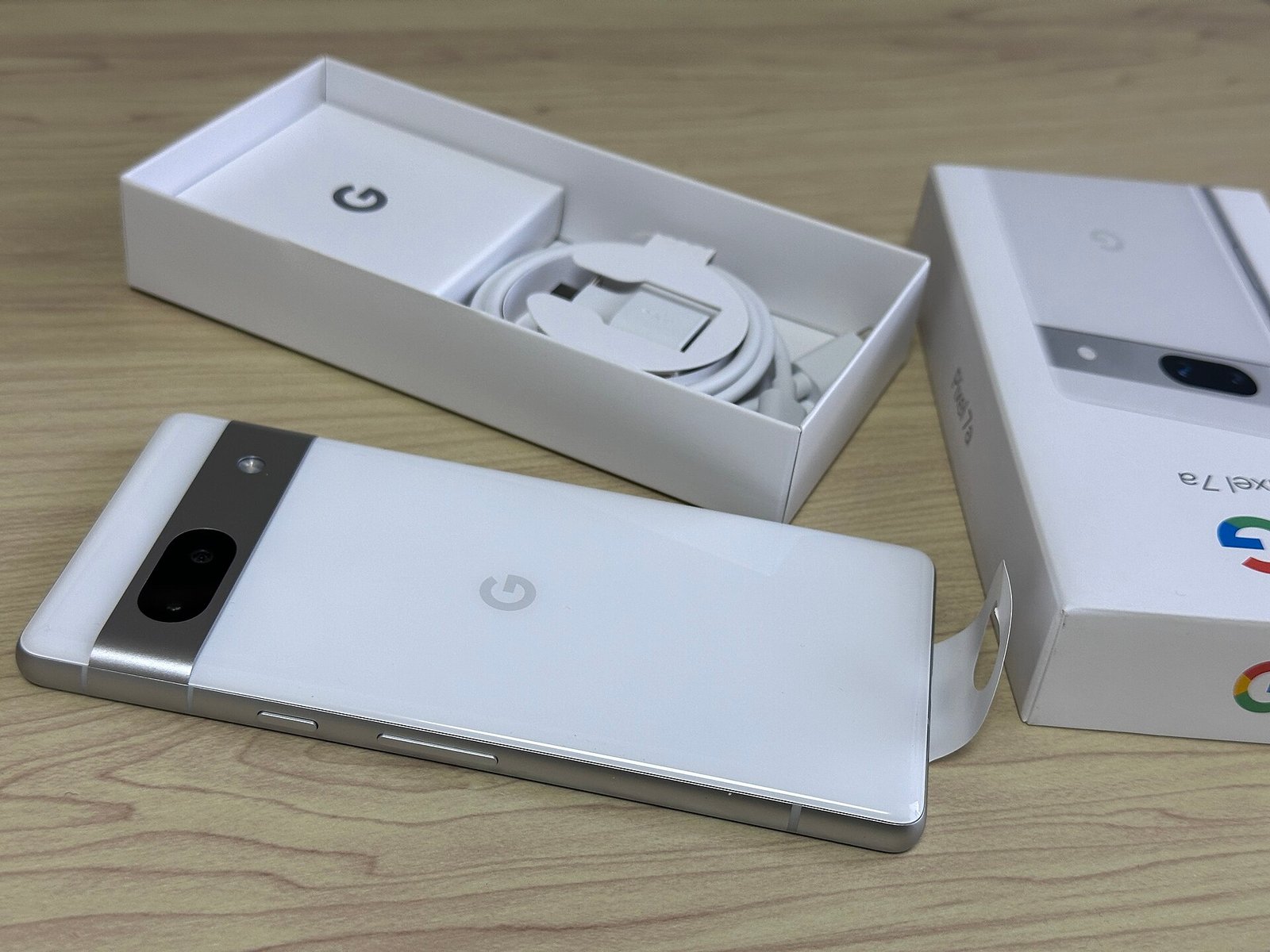
Google Pixel 9 Pro Review: The Best AI Camera on Any Android Phone
Google’s Pixel line has a clear identity: the best point-and-shoot camera on Android, the cleanest version of the software, and the fastest access to new Android features. It also has a persistent practical problem in markets where Google does not officially sell it, which includes Nigeria.
Both halves of that matter. This review covers what the phone genuinely does better than its competitors, and the specific reasons a Nigerian buyer should think carefully before choosing it.
The camera, which is the reason to buy it
The Pixel’s advantage has never been hardware. It is processing.
Point-and-shoot reliability is the real strength. You raise the phone, press the button, and the result is good. Not “good after editing” — good immediately. Exposure, white balance and skin tones are consistently well judged, and the phone handles difficult mixed lighting better than almost anything else.
That last point matters practically. Indoor scenes lit by a mixture of daylight, fluorescent tubes and phone screens are exactly where most cameras produce unpleasant colour, and the Pixel handles them notably well.
Low light is excellent. Night mode produces usable images in conditions where other phones produce noise.
Skin tones across a range of complexions are handled better than most competitors, which is a genuine and often-overlooked strength.
The editing tools are the most useful set on any phone — removing objects and people from photos, fixing blurred faces, and adjusting a shot after the fact. These work well and you will use them.
Video has improved substantially but remains a step behind the best iPhones, which is worth knowing if video is your priority rather than stills.
The software
The cleanest Android available, with no duplicate applications and no manufacturer layer competing with Google’s own.
Pixels also receive Android updates immediately rather than months later, and Google’s support commitment runs for a long period — one of the strongest in the industry.
That last point is worth weighing seriously. A phone supported with security patches for many years remains safe for banking considerably longer than one that stops after two.
Where it falls short
Battery life is adequate rather than excellent, and generally behind Samsung’s equivalent. Heavy use will require attention to charging.
Charging speed is unremarkable. Several competitors are considerably faster.
Gaming performance trails the best Snapdragon devices. Google’s own chips prioritise efficiency and machine learning over raw graphics throughput, and sustained gaming produces more heat and more throttling than on rivals.
Heat under sustained load is a known characteristic rather than a defect.
Price relative to alternatives is high once import costs are factored.
The Nigerian problem
This is the section that changes the recommendation, and it is absent from almost every international review.
Google does not officially sell Pixels in Nigeria. Units in the market are imported, which produces several practical consequences.
Warranty is the main one. A grey-import Pixel typically has no manufacturer warranty honoured locally. If something fails, you are dependent on the seller’s own policy, if any, or on third-party repair.
Parts and service. There is no official service network. Screen and battery replacement depends on independent repairers and imported parts, which are less available than for Samsung or the local brands.
Network bands. Pixel model variants differ between regions. Confirm the specific variant supports the 4G bands used by Nigerian networks. This is a genuine risk with imported units and produces poor data performance that is difficult to diagnose after purchase.
Carrier locking. Imported units, particularly cheaper ones, are sometimes locked to a foreign carrier or, worse, reported lost or stolen. Check the IMEI status before paying.
Some features are region-limited. Certain Pixel capabilities are restricted by region and may not function.
None of this makes the phone a bad choice. It makes it a choice requiring diligence that a Samsung purchase from an authorised dealer does not.
Who should buy it
Buy it if photography is your primary reason for choosing a phone, you value clean software and long update support, you are buying from a seller you trust who can demonstrate the IMEI is clean and the bands are correct, and you accept that repair will be through third parties.
Do not buy it if you need a local warranty and service network, you play demanding games, you need the longest battery life available, or you are buying from an unverified seller. In that last case the risk is not the phone; it is the transaction.
If you buy one, check these before paying
- IMEI status — clean, not reported lost or stolen, not carrier-locked
- Band support for the variant against Nigerian network requirements
- Battery health if used
- Remaining software support period, which is published by Google per model
- What warranty exists, with whom, and in writing
- That it powers on, takes a photo and connects to mobile data before money changes hands
Living with it
The camera is the reason and it delivers. After a few weeks the specific pleasure is not any single feature but the absence of hesitation — you stop checking whether a shot worked.
Battery requires attention. Not poor, but not the class leader. Heavy days need a top-up, and the modest charging speed means that top-up takes a while.
It runs warm under sustained load. Gaming, long video recording and extended navigation all produce noticeable heat, and performance drops accordingly.
The software is genuinely clean, and the difference from a heavily customised Android layer is obvious within a day. No duplicate apps, no promotional notifications.
Updates arrive immediately, which is a small ongoing pleasure and a meaningful security advantage.
Specifications and their practical effect
| Specification | What it changes in use |
|---|---|
| Google’s own processor | Efficient, strong at on-device AI, behind rivals in sustained gaming |
| Main, ultra-wide, telephoto cameras | Excellent stills; zoom is genuinely optical |
| OLED display, high refresh | Bright and smooth; good sunlight readability |
| Battery capacity | Adequate; the weakest part of the package |
| Long update commitment | Among the best on Android, and it matters for banking safety |
| Computational photography | The actual product; hardware is secondary |
Comparing it fairly
Against a Samsung flagship: the Pixel takes better stills with less effort. Samsung has better battery life, faster charging, better sustained gaming, and — decisively in Nigeria — an actual service network.
Against an iPhone: the iPhone leads clearly on video; the Pixel leads on point-and-shoot stills and on price. Both have long support commitments.
Against the Pixel 9a: the cheaper model keeps the camera processing and gives up zoom and some performance. For most buyers the a-series is the better value, and the Pro is worth the difference only if you use optical zoom regularly.
The short version
The Pixel 9 Pro takes better photographs with less effort than anything else on Android, runs the cleanest software, and receives updates first and for a long time.
It also has ordinary battery life, unremarkable charging, weaker gaming performance, and — the deciding factor here — no official presence in Nigeria, which means no local warranty, limited service, and real risk around imported units.
If photography is why you buy phones and you can verify the specific unit properly, it is a superb device. If you want the reassurance of a local warranty and a service centre you can walk into, Samsung’s equivalent is the more sensible purchase even though it takes worse photographs.
Sources and verification
We checked the practical guidance on this page against the primary or authoritative references below. Follow the linked source for the latest official position before making a payment or time-sensitive decision.
- USB Implementers Forum: cables and connectors
- NIST: cryptographic standards and guidance
- Android Open Source Project: platform security
Reviewed 23 August 2026. Corrections can be sent through our contact page.