Samsung Galaxy Z Flip 6 Review: Small Phone, Big Compromises
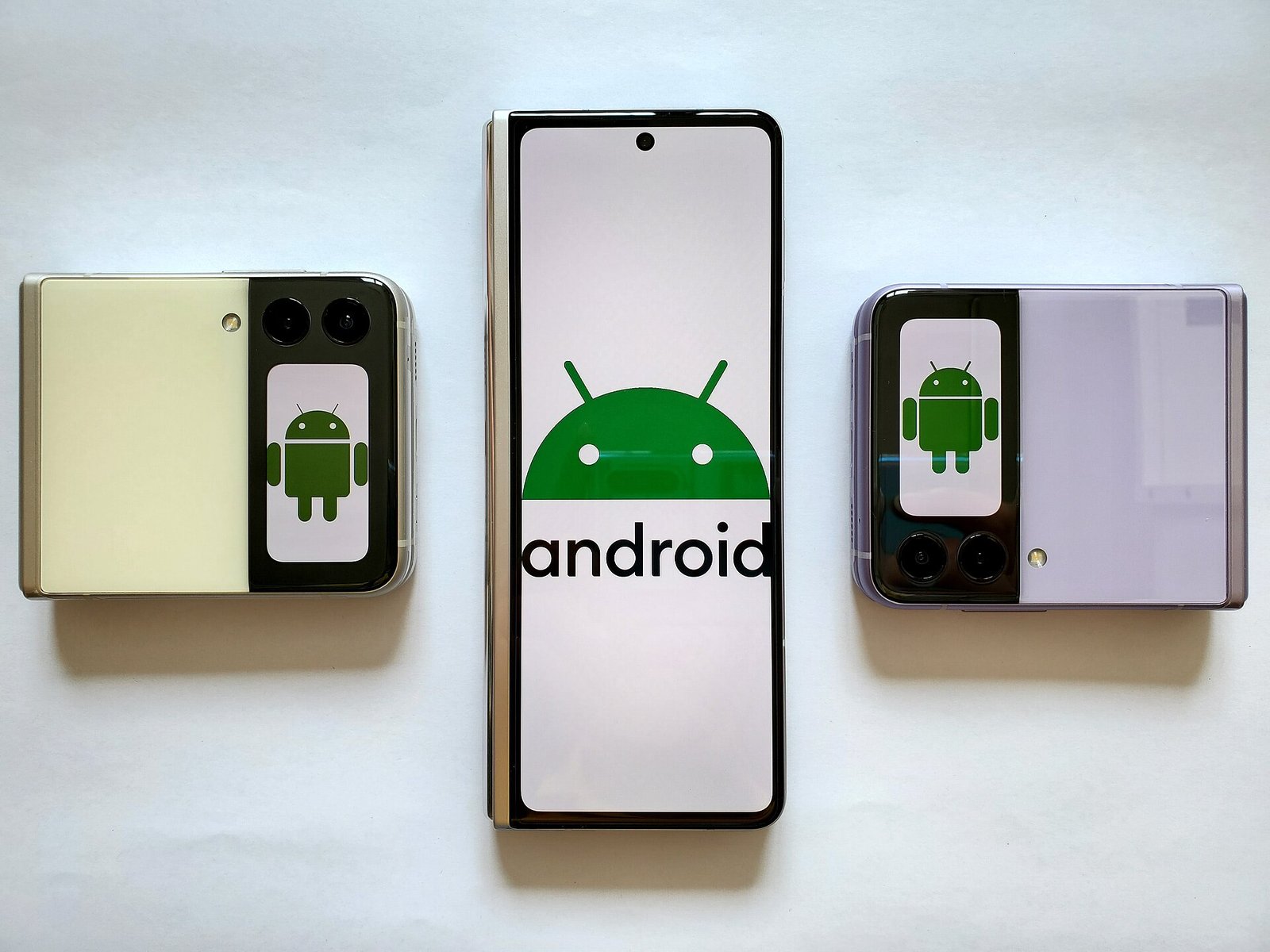
The Flip answers a different question from the Fold. Where the Fold gives you a bigger screen, the Flip gives you a smaller object — a conventional phone screen that folds in half to something that fits comfortably in a small pocket or bag.
That is a genuine benefit for some people and completely irrelevant to others, and unlike the Fold there is no productivity argument to fall back on. Unfolded, it is an ordinary phone. Everything you are paying extra for happens when it is closed.
What you actually get
Pocketability. Folded, it is roughly half the height of a normal phone. For anyone who carries a phone in a small pocket or a small bag, this is the entire point and it works.
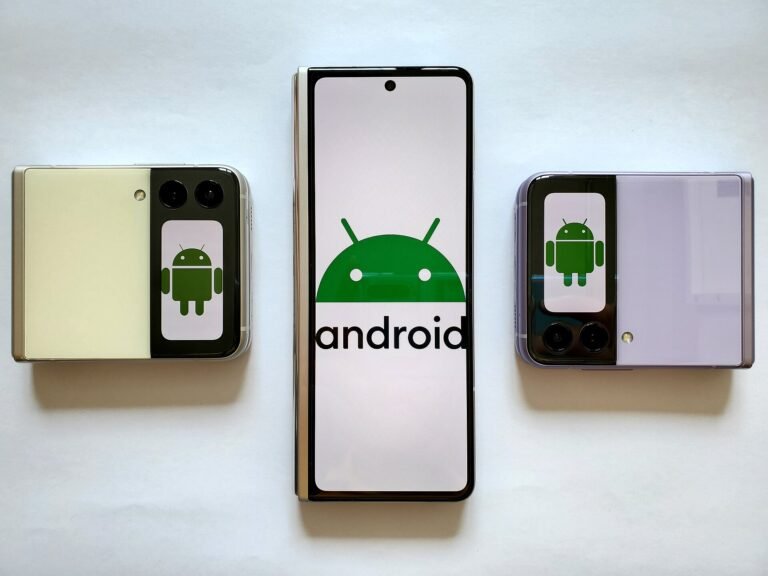
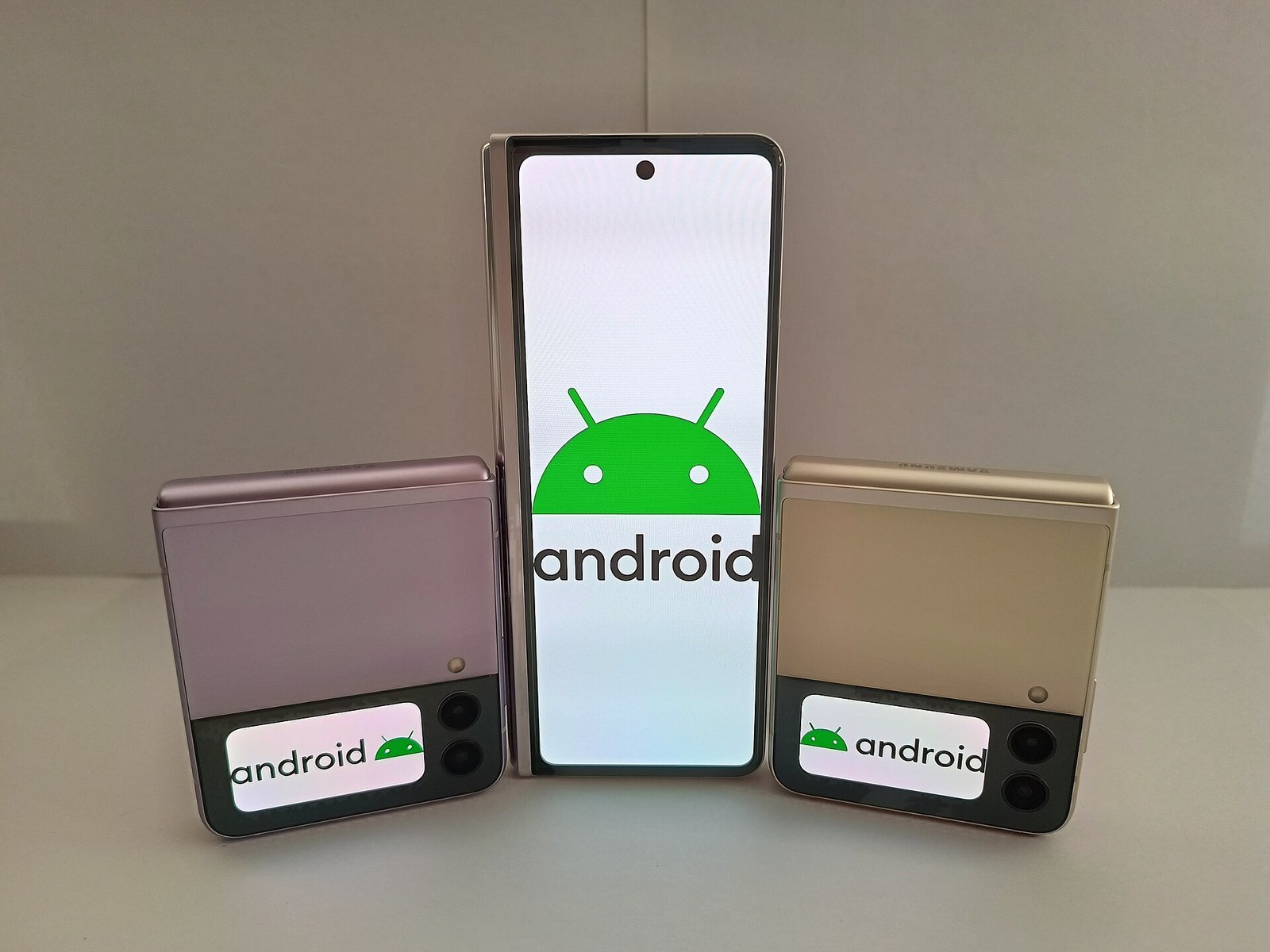
The cover screen has grown to the point of being genuinely functional. Replying to messages, controlling music, checking notifications, taking calls and using the camera can all be done without opening the phone.
That last one is the underrated feature: using the main cameras for selfies by shooting with the phone closed and the cover screen as viewfinder. The rear cameras are considerably better than any front-facing camera, so selfies and video calls from a folded Flip are meaningfully better than from a conventional phone.
Flex mode. Standing the phone half-folded turns it into its own tripod, which is genuinely useful for video calls, group photos and watching something on a table.
Build and support. Samsung’s usual solid construction and long software update commitment.
Where it compromises
Battery life is the main one. A folding body leaves less room for a battery, and the Flip has consistently been the weakest Samsung flagship in this respect. Heavy users should expect to charge during the day. In a context where power is not always available on demand, this is a more serious drawback than it would be elsewhere.
Cameras are good rather than flagship-leading, with no dedicated telephoto. Fine for everyday photography, behind the Ultra for anything ambitious.
Durability considerations apply as with any foldable: a plastic inner screen layer that scratches more easily than glass, a factory protector that must not be removed, and a hinge more vulnerable to dust than a sealed phone. Water resistance has improved but dust remains the weakness.
Repair cost. An inner screen replacement is expensive, and local availability of foldable repair is more limited than for conventional models.
Price. You pay a flagship premium for a phone whose camera and battery are behind conventional flagships at similar money.
The honest comparison
At Flip money, a conventional Samsung flagship gives you better battery life, a better camera system and a more durable device. The Flip gives you a phone that folds in half.
That is the whole trade. Whether it is worth it depends entirely on how much you value the folded size, and that is a genuinely personal answer rather than something a review can decide.
People who carry a phone in a jacket pocket, a small handbag or a trouser pocket where a full-size flagship is awkward tend to like it a great deal. People who carry a bag anyway tend to wonder what the fuss is about within a month.
The Nigerian context
Battery matters more here. Where charging opportunities depend on power availability rather than convenience, the Flip’s weakest attribute is the one that bites most. Consider this seriously rather than treating it as a specification footnote.
Dust. More relevant than in most markets. A case is not optional, and keeping it out of pockets carrying grit matters.
Repair availability. Confirm that local Samsung service handles foldable repair before buying, and understand what an inner screen replacement would cost.
Verify the unit. Clean IMEI, correct network bands for Nigerian operators, warranty honoured locally, and buy from an authorised dealer rather than an unverified import.
Who should buy it
Buy it if the folded size genuinely solves a problem for you, you like the idea of shooting selfies with the main cameras, and you can live with charging during the day.
Do not buy it if battery life is a priority, you want the best camera at the price, you work in dusty conditions, or you are drawn to it mainly because it is unusual.
Living with it
The folded size genuinely changes where the phone goes. Small pockets, small bags, places a normal flagship does not comfortably fit. For people this matters to, it matters every day.
The cover screen carries more than expected. Replying, checking, controlling music, taking calls — a substantial share of interactions never require opening it.
Selfies from the rear cameras is the feature people end up using most and mentioning least in advance. The quality difference over a front camera is significant.
Battery is the daily compromise. Heavy use means charging during the day, and this is the thing most likely to make an owner regret the purchase.
Flex mode is more useful than it sounds, particularly for video calls where standing the phone up removes the need to hold it.
Specifications and their effect
| Specification | Practical meaning |
|---|---|
| Folding inner display | Ordinary phone screen when open |
| Large cover display | Determines how often you open it |
| Battery capacity | The weakest specification, and the one you feel |
| Dual rear cameras | Good, no telephoto |
| Hinge and flex mode | Self-standing for calls and photos |
| Water resistance | Improved; dust is still the vulnerability |
Who it actually suits
Being specific, because this is a phone bought for one reason.
It suits people who carry a phone in a small pocket or small bag and find full-size flagships awkward; people who take a lot of self-portraits or video calls and would benefit from using the rear cameras; and people who value the form factor enough to accept a mid-day charge.
It does not suit heavy users away from power, anyone who prioritises camera capability at this price, or anyone drawn to it primarily because it folds. The novelty is genuinely enjoyable for about a month; the battery compromise lasts for the life of the phone.
The short version
The Flip is a well-made conventional phone that folds in half, with a cover screen good enough to use without opening and a genuinely clever selfie advantage from using the rear cameras.
It costs flagship money and gives up battery life and camera capability to achieve the form factor.
If the folded size solves a real, daily inconvenience for you, it is a pleasant phone to own. If it does not, a conventional flagship at the same price is straightforwardly the better device — and in a market where charging opportunities are not guaranteed, the battery difference deserves more weight than it usually gets.
Sources and verification
We checked the practical guidance on this page against the primary or authoritative references below. Follow the linked source for the latest official position before making a payment or time-sensitive decision.
- USB Implementers Forum: cables and connectors
- NIST: cryptographic standards and guidance
- Android Open Source Project: platform security
Reviewed 23 August 2026. Corrections can be sent through our contact page.