Every Android release arrives with a long list of features, presented as though each one matters equally. In practice a handful change how you use the phone and the rest are either invisible plumbing, developer-facing, or features you will enable once and forget.
This is a ranked account of what actually changes, based on what you would notice, not on what appears in the announcement. It also covers the practical question that matters more in Nigeria than in most markets: whether your phone will get it at all.
First: will your phone get it?
Worth addressing before the features, because for a large share of Nigerian phone owners the honest answer is no, or not for a long time.
Android version updates flow from Google to manufacturers to devices, and each step adds delay. Pixel phones get it immediately. Samsung flagships follow within months. Mid-range devices take longer. Budget phones frequently receive one version upgrade in their lifetime, or none.
If you own a Tecno, Infinix or itel device in the budget segment, check the manufacturer’s stated commitment rather than assuming. Many of the features below will reach you through app updates and Google Play system updates regardless, which is a genuinely important point — Google now delivers a meaningful amount of functionality outside the full version upgrade.
Security patches matter more than version numbers. A phone on an older Android version receiving current security patches is in better shape than one on a newer version that stopped receiving them.
The changes that genuinely matter
Better protection against scams and fraud
The most practically valuable area, and the one most relevant here.
Recent Android work has focused on detecting and warning about fraudulent activity — scam call identification, warnings when someone tries to talk you through changing sensitive settings during a call, and restrictions on installing apps from unknown sources while a call is in progress.
That last one addresses a specific, common attack: a caller impersonating a bank or a service provider talking a victim through installing a remote-access app. Making that harder while a call is active is a genuine protection, and it targets a fraud pattern that is widespread in Nigeria.
Whether you notice these depends on whether you were going to be targeted. They are the features most likely to save someone real money.
Improvements to notifications
Notification handling has been progressively refined — better grouping, summarising, and reducing repeated alerts from the same app.
For anyone in many WhatsApp groups, this is the change most likely to improve daily life.
Better large-screen and multitasking behaviour
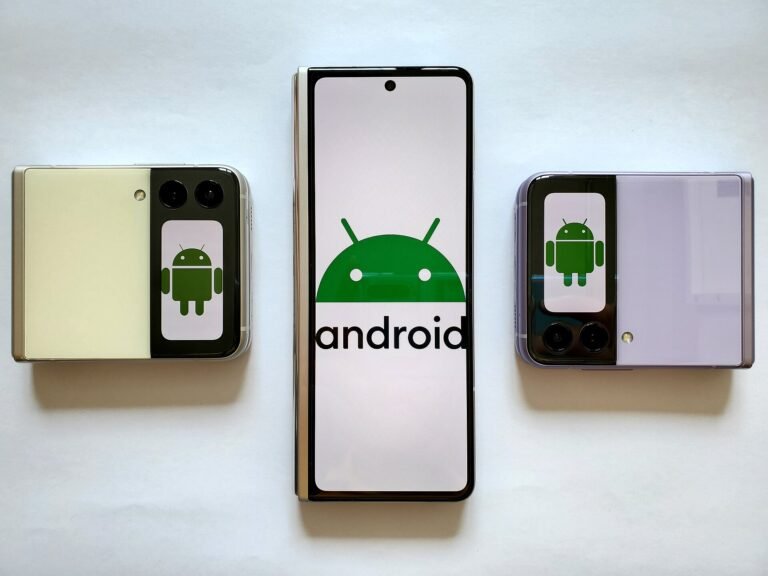
Improved support for windowed apps, better split-screen behaviour, and more capable connection to external displays.
Relevant if you use a tablet, a foldable, or connect your phone to a monitor. Irrelevant otherwise, which is most people.
Battery and background management
Continued tightening of what apps may do in the background. This generally improves battery life and occasionally breaks an app that relied on running freely — usually alarm apps, fitness trackers or messaging clients that were not updated.
If an app misbehaves after an update, background restrictions are the usual cause, and the setting is in the app’s battery options.
Accessibility improvements
Consistently among the most useful and least discussed changes. Better magnification, improved hearing aid support, and refinements to screen reading.
Privacy controls
More granular control over what apps can access, and clearer indication when the microphone or camera is in use. Worth going through once after an update: Settings, Privacy, Permission manager, and review what has access to location, microphone, camera and files.
Most people find something there that has no business having it.
The changes you will not notice
Being honest about the rest:
Developer-facing APIs. Genuinely important for app quality over time, invisible to you.
Performance and graphics plumbing. Real improvements that manifest as things simply working slightly better.
New emoji. Included in every release, discussed disproportionately.
Design refinements. Noticeable for a week, then normal.
What to do after any Android update
A short routine worth running on any version upgrade.
Check your permissions. Settings, Privacy, Permission manager. Updates sometimes reset or reorganise these, and it is a good moment to remove access apps do not need.
Check battery optimisation for apps that stopped behaving correctly.
Review notification settings, since new grouping options may need configuring to your preference.
Check storage. Updates consume space and leave installation files behind.
Verify your backup ran. Settings, Google, Backup.
Look at what is new in Settings, Security, since the protective features are usually opt-in or worth confirming.
The realistic view
Android version upgrades matter far less than they used to, and this is a good thing rather than a disappointment.
Google moved a large amount of functionality into Play system updates and into its own apps, which means meaningful improvements reach phones without a full version upgrade. Security patches, which are what actually protect you, arrive on a separate cycle.
So a phone stuck on an older Android version is not necessarily in trouble. A phone that has stopped receiving security patches is. When buying, ask about the security patch commitment specifically, because that is the number that determines how long the device remains safe for banking.
The short version
The changes worth caring about in recent Android are the anti-fraud protections, notification handling, background battery management and privacy controls. Everything else is either invisible plumbing or a feature you will configure once.
Whether you receive the update depends on your manufacturer’s commitment, and in the budget segment that commitment is frequently short. Check it before buying rather than after.
And when the update does arrive, spend five minutes in Permission manager. It is the highest-value thing you can do with a new Android version, and almost nobody does it.
Sources and verification
We checked the practical guidance on this page against the primary or authoritative references below. Follow the linked source for the latest official position before making a payment or time-sensitive decision.
The Galaxy Z Fold 6 is the most refined big-screen foldable available. Here is what it genuinely does that a normal phone cannot, and the durability questions worth asking.
The Nigerian mid-range phone market is dominated by brands most international reviews ignore. Here is how to choose well, what to prioritise, and what to avoid.
The Pixel 9 Pro has the most capable computational camera on Android and the least convenient support situation in Nigeria. Here is the honest trade-off.
The Galaxy S25 Ultra is Samsung’s most complete phone and its most expensive. Here is what it does well, what has not changed, and whether it makes sense in Nigeria.
The Pixel 9a delivers most of the Pixel camera at a fraction of the flagship price. Here is what you give up, and whether the import risk is worth it in Nigeria.